More on Contrabands and Freedmen Cemetery Memorial
/
A bit more background about a recent article I published on a civil rights action—in 1864 Alexandria, Virginia.
Read MoreBlogging about abolitionist Julia Wilbur, the Civil War, Alexandria, women's rights, and more
A bit more background about a recent article I published on a civil rights action—in 1864 Alexandria, Virginia.
Read MoreLesson of the Ghost Fleet of Mallows Bay—ships built in a hurry are not a great idea
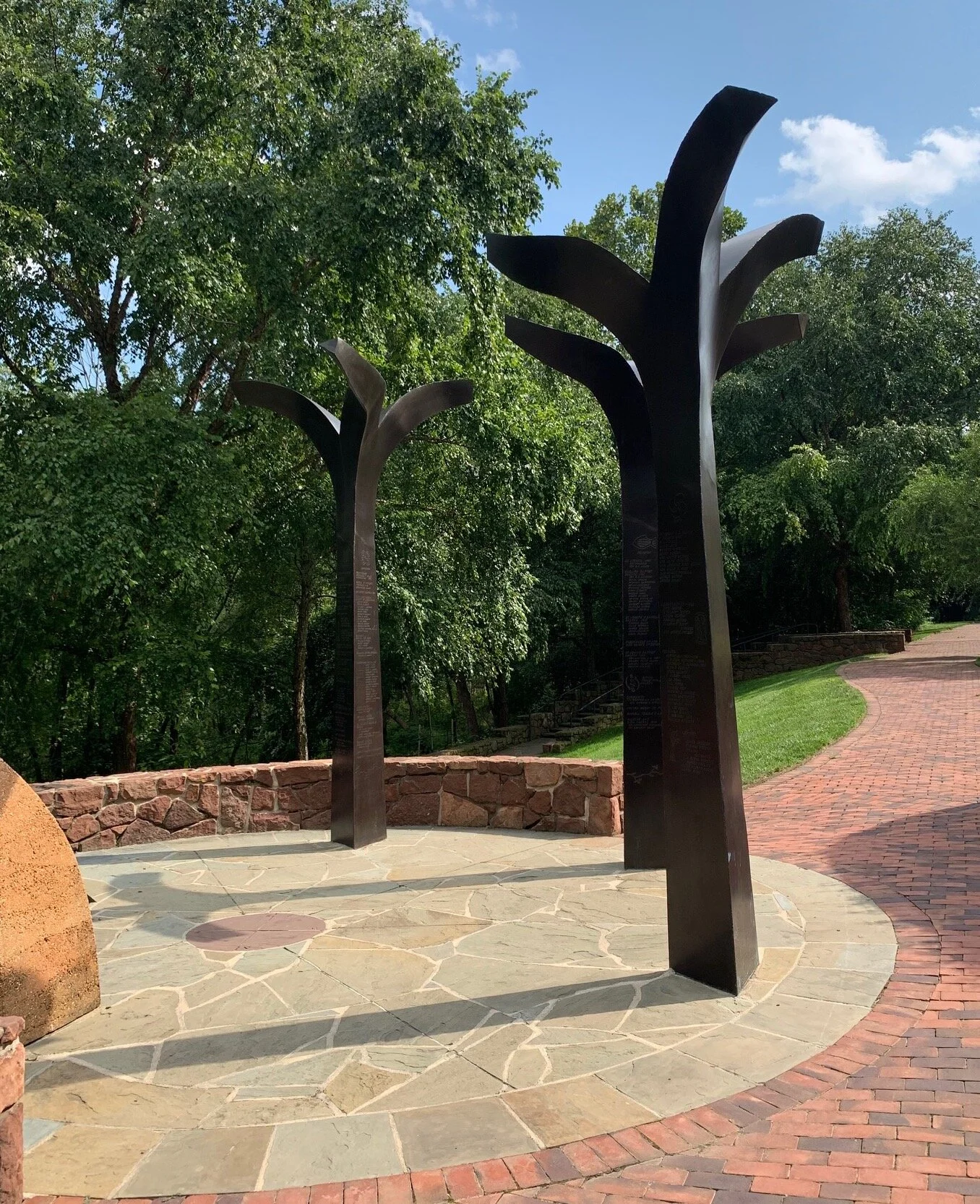
Read MoreField trip: Alexandria African American Heritage Park
Read MoreAfter (or before) you’ve read my article in the Cambridge Day about Harriet Jacobs and Imogen Willis Eddy, here are a few bits that could not make it in the original article.
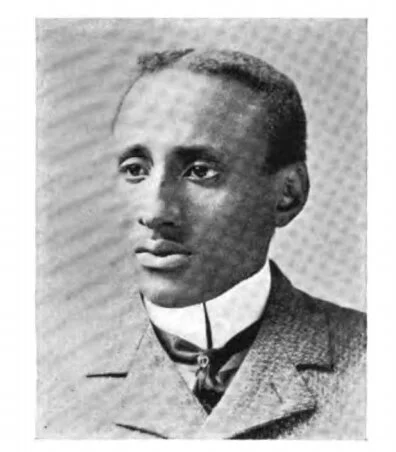
Read MoreIn their own words: Two Black alumni from the Harvard College class of 1897.
Read MoreWhat to the slave is the Fourth of July? asked Frederick Douglass to a Rochester audience. What indeed?
Read MoreConsider the challenge of an escape from slavery via the watery depths.
Read MoreHave you heard of 19th century composer Augusta Browne? Biographer Bonny Miller sheds some light, and sound, on what Browne achieved amidst a lot of constraints.
Read MoreThe post-Civil War work of the Freedmen’s Bureau was curtailed from the start.
Read MoreAs I get vaccinated for COVID-19, I remembered that a Civil War smallpox vaccination campaign had its hiccups.
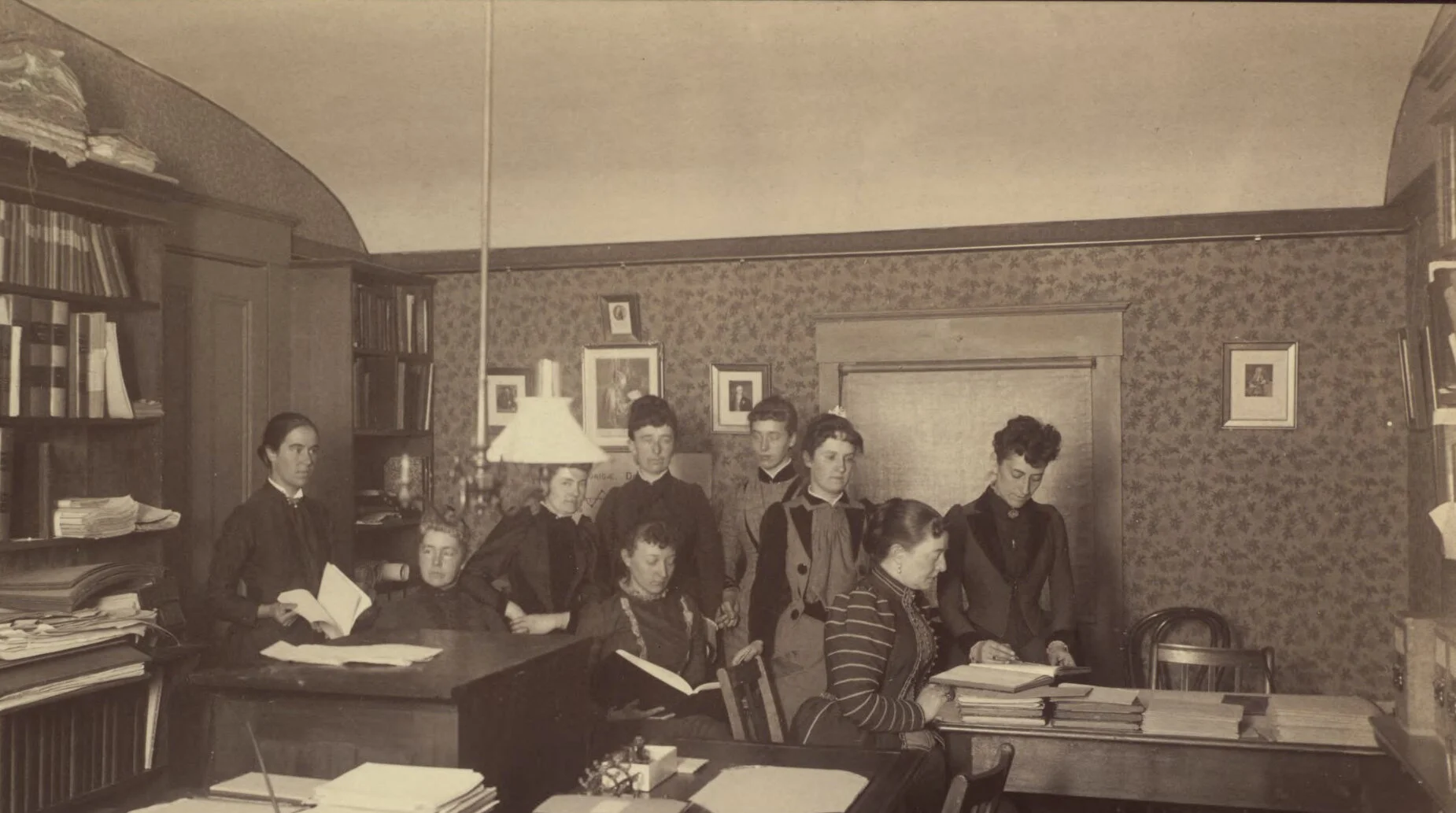
Read MoreIn this second post about Pfaff’s, a 19th century Bohemian hang-out in New York City, I look at five women who wrote.
Read MoreFor about five years, in the last 1850s and early 1860s, Pfaff’s was the place to be. Who were the women there?
Read MoreThe lives of Margaret Fuller, Mathew Brady, and Edgar Allen Poe—in a compressed bit of Manhattan and a compressed bit of time.
Read MoreWill the 10 remaining Army bases named for Confederates finally be renamed? As of mid-December, the bill awaits the president’s signing or veto.
Read MoreHarriet Jacobs started a school in Alexandria, Virginia, in 1864. It wasn’t easy.
Read MoreStarting the school year—the 1844-45 school year, that is.
Read MoreThe Rochester Ladies Anti-Slavery Society, the group that sponsored Frederick Douglass’s famous July 4 speech, raised money, held lectures, hid fugitives—and remembered to serve refreshments at their monthly meetings.
Read MoreWhen I moderated a History Author talk on Zoom, I spoke with two authors with very different ways to approach the topic of women in the Civil War.
Read MoreHarriet Jacobs hid in an enclosure 9 feet by 7 feet in Edenton, NC, which we visited last week.
Read MoreConnecting Bostonians William Cooper Nell and Lydia Maria Child with Harriet Jacobs.
Read MorePaula Tarnapol Whitacre's website with a focus on her forthcoming biography on abolitionist Julia Wilbur.